
Human Intelligence. Cinematic Decisions.
From TIFF 2026: New Jude and Wheatley; a bonafide masterpiece; Romanian discoveries

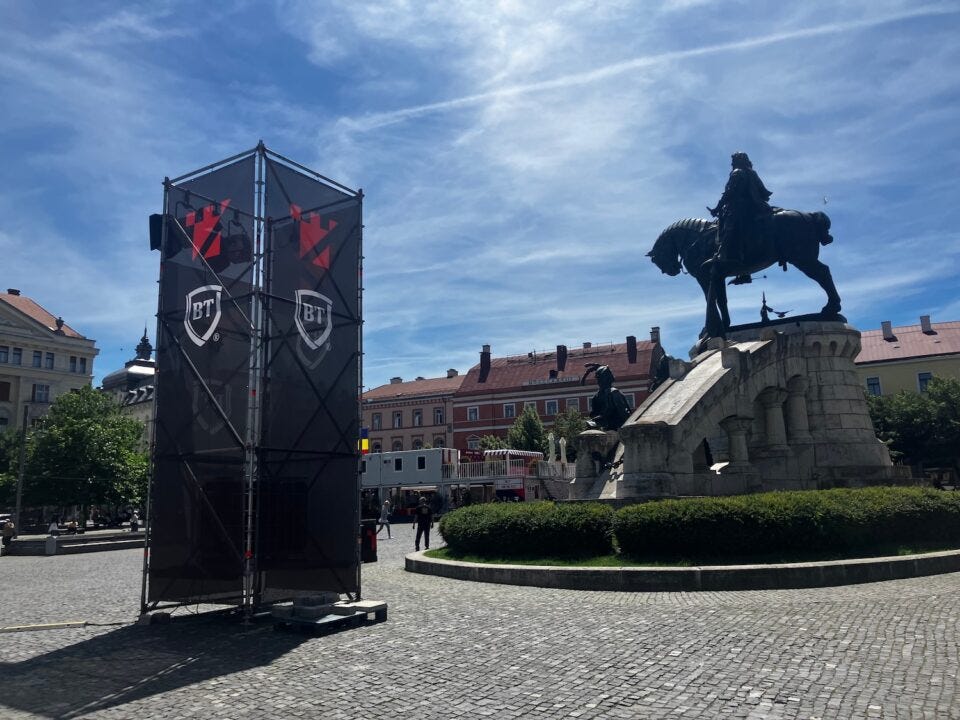
It’s been three years since I’ve been to Cluj, but a lot seems to have changed. Korean BBQs (the international sign of yuppification) are everywhere, the price of a beer has almost doubled, and, befitting its moniker as the “Silicon Valley of Eastern Europe,” a large billboard on the way from the airport promotes an upcoming conference, “Where artificial intelligence shapes strategic decisions.”
Bleary-eyed from a morning start, the cloudless sky providing no respite from the sun, I shape my first filmgoing decisions with a tired spontaneity; picking the first movie I see available on the ticketing app. It’s a Romanian one. Makes sense. We’re in Romania after all.
Black Sea. Blacker Moods.
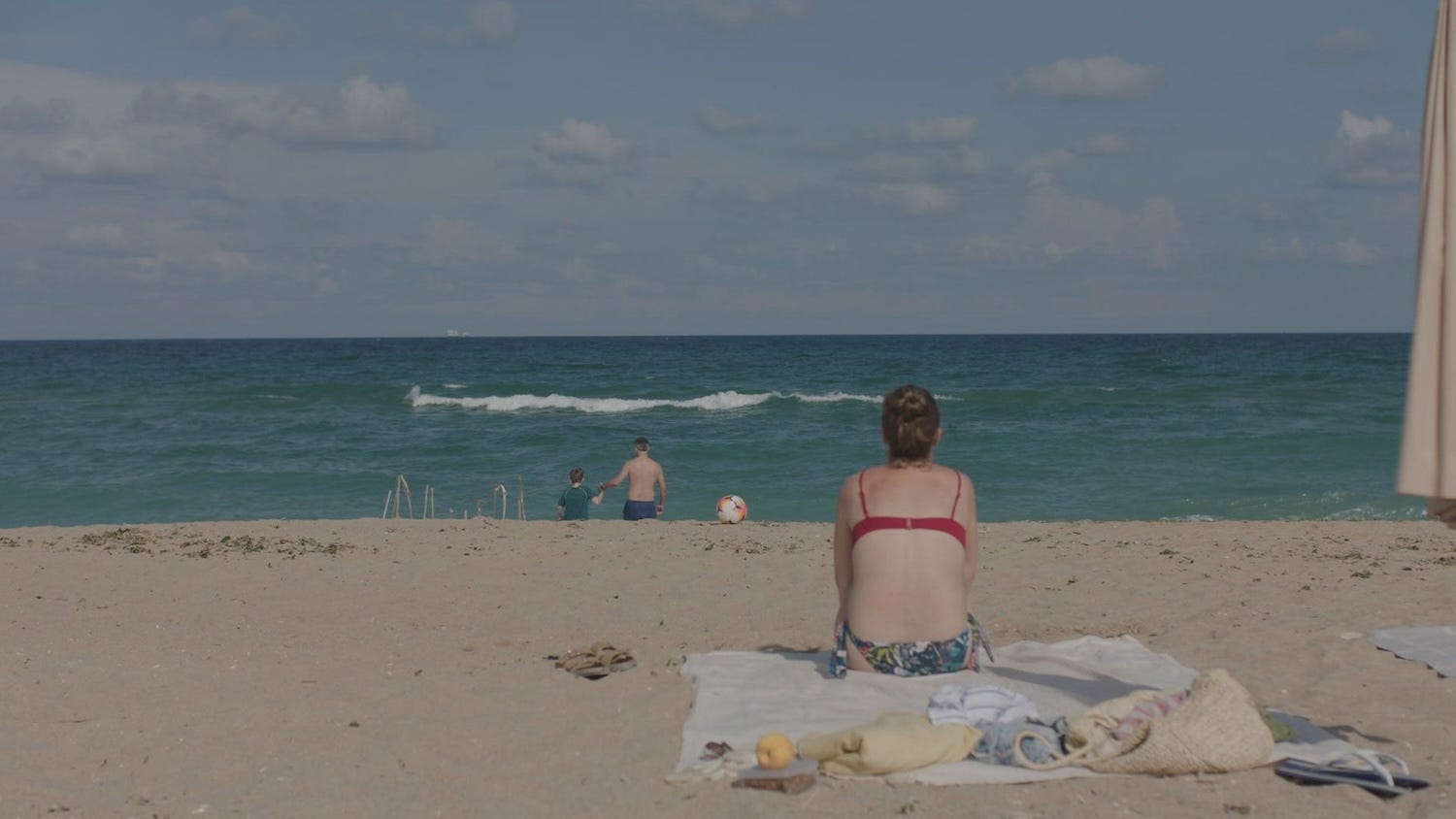
A Safe Place (Cecilia Stefanescu, 2025), playing in Romanian Film Days (all films are in this section unless otherwise mentioned), is firmly in the tradition of depressing New Wave kino, and reminds us that modern Romanian cinema is an actor’s cinema, making more with minimal resources by a hyper-attenuation to the contours of the human body; its myriad expressions and the infinite sublety of an ever-changing mental state.
Marina Palii plays the depressive mother-and-wife Lucia, on holiday with friends in Bulgaria, with exceptional passivity, her sense of a life ebbing away from her conveyed in large close-ups as she stares at her brutish husband Gelu (Virgil Aioanei) with her child playing in the Black Sea. She barely talks, even as he shamelessly paws at her in front of their friends, her deep eyes constantly scanning the landscape for something more than what she has.
Stefanescu’s debut has had mixed reviews since it played last year at the Tallinn Black Nights, but I was mostly taken in by its languorous tone (heavy on long takes and immersive sound design) and powerful exploration of transgression, linking Romanian-Bulgarian history, building civilisation and bourgeois comfort upon centuries of extraction and violence, with the misogyny inherent in marriage.
With marriage still seen since the 19th century as the bulwark of civilisation, there is a naughty thrill in A Safe Place’s messy deviances, with one remarkable revelation shot and blocked with a master’s eye by DOP Luchian Ciobanu. Palii, slowly building moods and feelings on top of each other, unafraid to contradict herself in spirit and performance, provides a fantastic presence to a woman constantly on the verge of some kind of almighty breakdown.
But then there’s the ending, which erases all ambiguity and takes us into firm miserablist territory. While powerfully shot and with a savage implication, it puts too fine a point on its anti-patriarchal thesis while revelling in cheaply earned revenge. A small blight on an otherwise promising debut.
Kids Without Adults
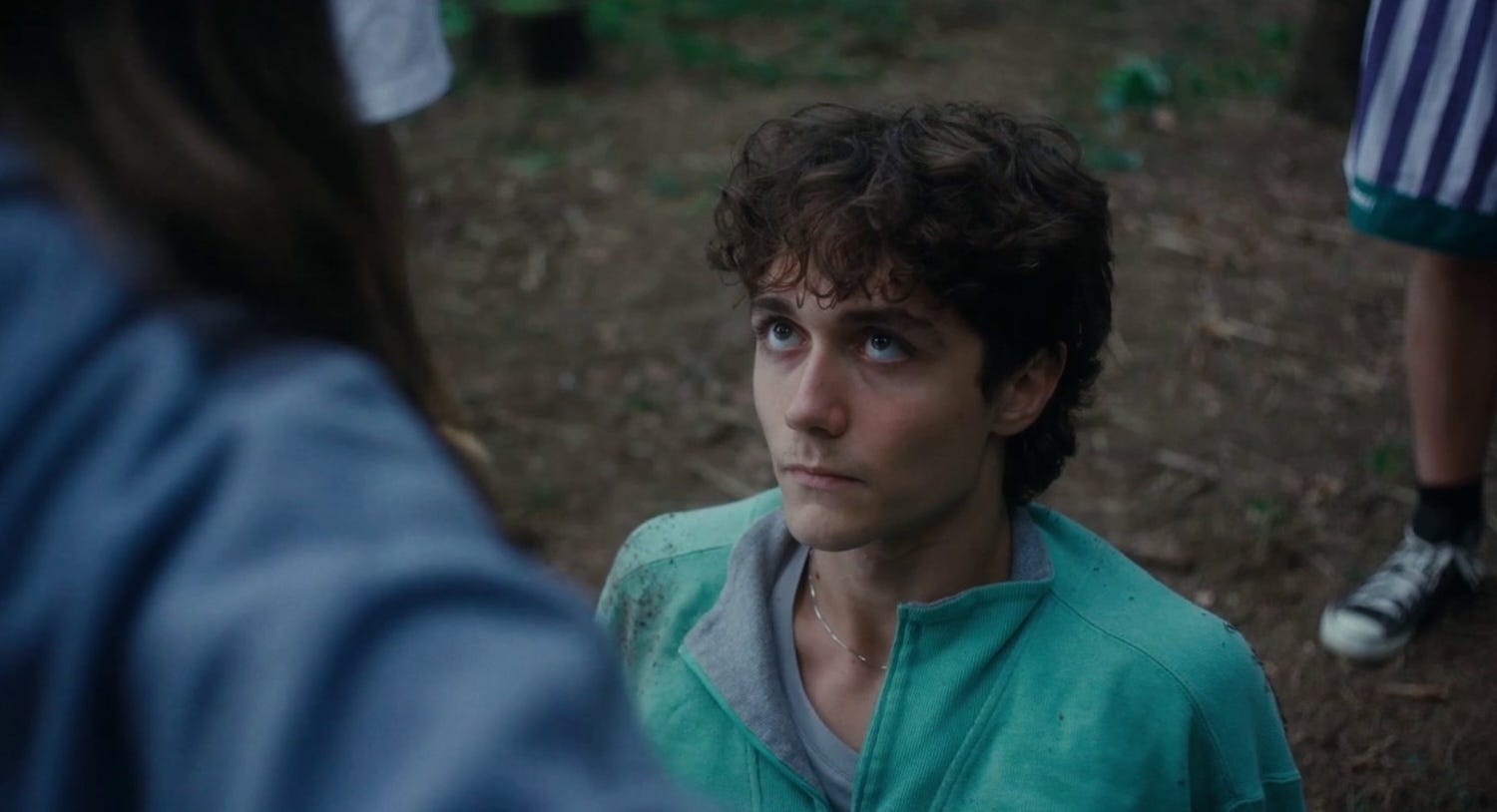
Tudor Cristian Jurgiu’s On Our Own (2026) played in the Berlinale Forum this year, which is odd, because it’s the most Generation-coded movie I’ve ever seen, suffering from many of the tropes that make that programme feel so tired, confusing people talking about a conflict with actually bothering to portray one. Exploring the phenomenon of kids being left to fend for themselves in Romania while their parents are working abroad, it boasts strong characterisation and a smattering of engaging moments, but lacks any real stakes to elevate the thin material.
Still, relative newcomer Denisa Vraja, playing the young lead Flavia, is definitely an actress to watch. With dirty-blonde hair, prominent aquiline features, and a slightly asymmetrical face, she commands the screen as a young girl becoming increasingly exasperated with her parents’ immature behaviour, flitting between impulsive decisions and proto-maternal instincts with ease. It’s a shame that she’s reduced to taking FaceTime and Zoom calls (rarely cinematic), or walking around the streets for no reason, or doing something precious and cringe, Jurgiu’s film that particular breed of coming-of-ager that feels more performative than deeply felt. For a better take on similar material, especially in its evocation of the chaos of untamed youth, check out the Swedish Paradise Is Burning (Mika Gustafson, 2023) instead.
Kazakh Attack
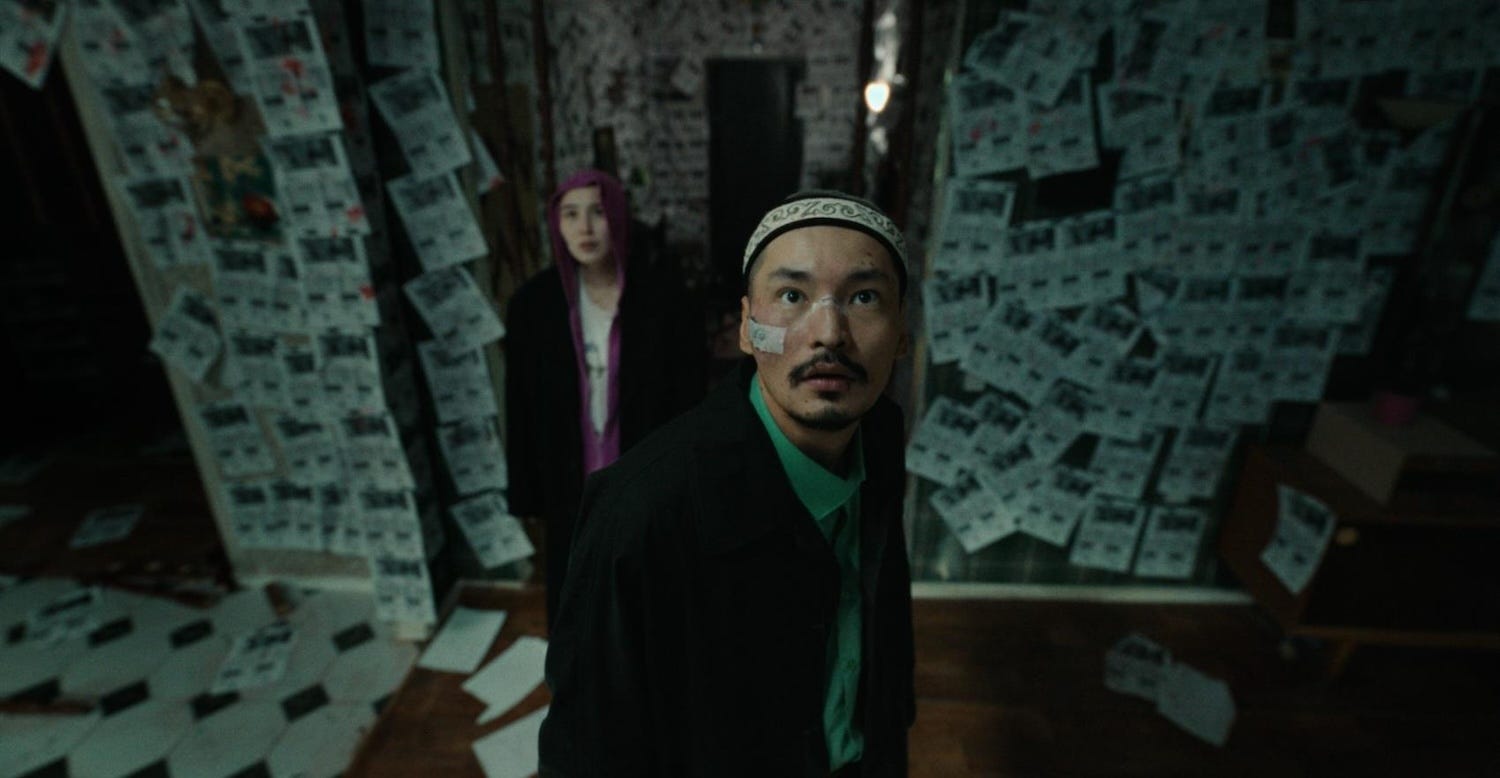
After two Romanian Film Days entries, it was time for the Competition with the deliriously entertaining Sicko (Aitore Zholdaskali, 2025). Although it’s from Kazakhstan, the style (fast cuts, layered digital stitching, quirky angles) and the content (people becoming extremely violent in their shameless pursuit of wealth) feel indebted to South Korean cinema, especially the work of Park Chan-Wook. But while Park’s recent efforts feel a bit too complex and overblown, Sicko hits its deeply cynical ideas straight down the middle to great crowdpleasing success.
“New day – new opportunities,” says Tansholpan (Dilnaz Kurmangali), waking up her husband, Azamat (Ayan Utepbergen), in bed so he can go and make some money. But right from the beginning, like a Central Asian Safdie, Azamat’s problems start piling up. He owes everyone money, and then, bemoaning the state of the country, ends up crashing his cab. In a moment of particular desperation, he steals a charity donation box from a corner shop. Which gives him his next idea: pretending Tansholpan has cancer so they can make money to pay for her “treatment.”
As their scheme gets bigger and bigger — almost instantly, they are national celebrities — the film barrels ahead with more and more conflict, more and more problems, more and more violence, culminating in an epic fight scene that would make Tarantino himself jealous. Exceptionally goofy (Gorillaz needle drop!) and bleak, often in the same frame, Sicko is an insane experience, in almost all the best ways.
I saw almost, because the ending, with Amazat turning on Tansholpan, is filled with unsettling implications, especially when viewed in a local context. Despite recent reforms, domestic violence in Kazakhstan, as represented in Happiness (Askar Uzabayev, 2021), is rife, with 300 reports registered every single day (the real number is likely more). By treating it as entertainment, there is the potential to trivialise the real impact it can have on women across the country. In other nations, it may be kinda shocking — and it may even work! But in Kazakhstan, these scenes are, unfortunately, all too tragically normal. A bitter note to an otherwise fantastic film.
An Instant All-Timer
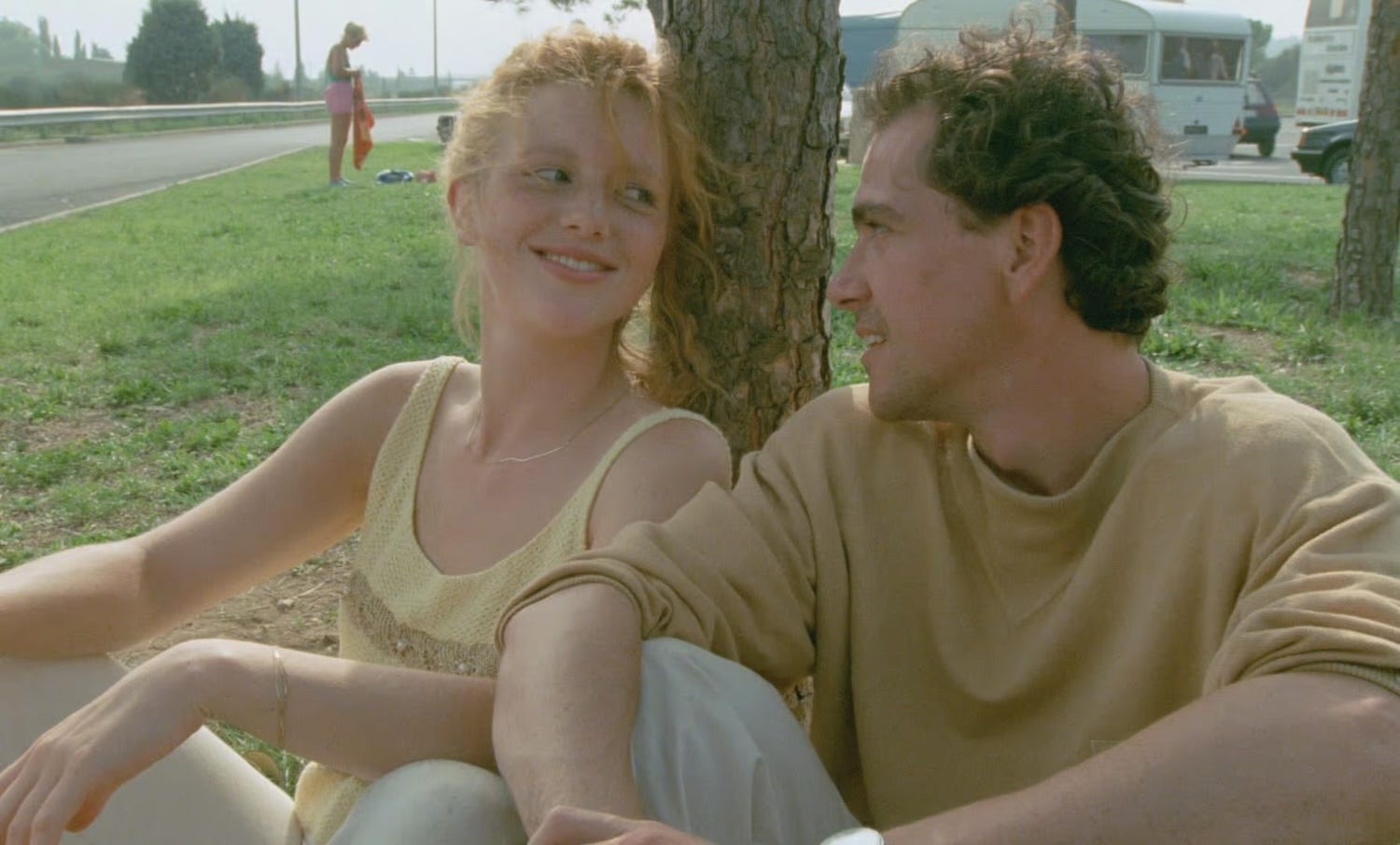
For a long time, I only used to watch new films at film festivals. This changed a few years back, however, when I realised that there is nothing better on earth than watching a certified banger on the big screen. So when I realised that The Vanishing (George Sluizer, 1988) would be playing here in the Netherlands Focus section, I knew that I had to finally see the film that many consider to be Holland’s greatest. And well. There aren’t enough superlatives.
One of my favourite authors is Patricia Highsmith, an inspiration for my own writing, and possibly how I even see the world. What makes a Highsmith novel, for example, Those Who Walk Away (1967) so entertaining, is the way that she pushes past the conventional ideas of suspense and thrills, and takes us as deep as possible into human psychology — and most notably, how pathetic the minds of sociopaths can really be.
